
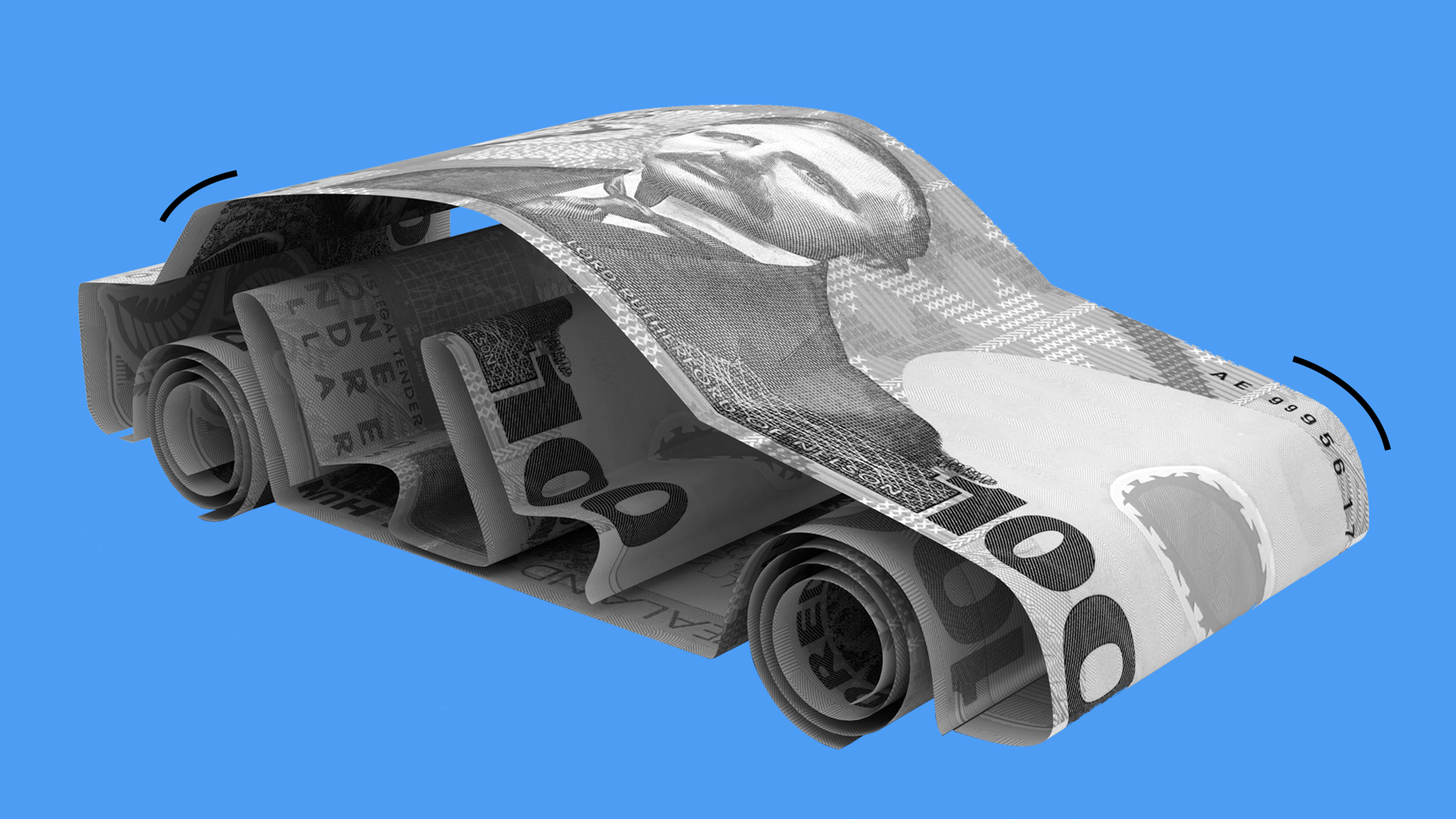
When it comes to buying a car privately in NZ, you're joining thousands of Kiwis who prefer dealing directly with sellers rather than going through dealerships. Private sales make up a massive chunk of New Zealand's used car market.
Whether you're after a reliable runabout or a family wagon, the private market offers plenty of options. Dealerships and auctions will always have their place, but many buyers still reckon there's something special about shaking hands with the actual owner and hearing the real story behind the car.
Why buying a car privately may be your best option
There's a reason so many New Zealanders choose private sellers when hunting for their next set of wheels. Let's look at what makes it so appealing.
Better pricing
Running a dealership costs a lot of money, but individual sellers don’t need to consider this when pricing their cars. The saving on overheads goes straight into your pocket instead.
More room to negotiate
Ever tried negotiating with a car dealer who wants to hit monthly targets? With private sellers, you’re more likely to run into someone with individual circumstances who is selling from a broader range of reasons. They may simply be clearing space in the garage, for example. This creates real opportunities for a better price.
No dealer fees
Here's a hidden cost many first-time buyers don't see coming: dealer fees. Known as "on-road costs" (ORCs), these can sting you anywhere from $300 to over $1,000. Private sales? None of that. What you negotiate is what you pay.
Less pressure
Meeting someone in their driveway to check out their car is much more straightforward. No sales tactics, no upselling of overpriced paint protection packages, no uncomfortable office negotiations. Just two people having an honest conversation about a vehicle.
Wider selection
If you are searching for something under $10,000, then private markets hold a lot more promise. Dealers usually prefer to trade in newer, more profitable cars, but there is a massive range of private sales out there, from affordable runabouts to unique classics.
Prepare for common risks
Before getting too excited, take a step back and take a realistic look. Buying a car privately in NZ comes with risks that you need to be aware of. This is a key difference in private car sale laws in NZ: unlike dealers who are bound by the Consumer Guarantees Act, private sellers can legally sell vehicles "as is", which puts the responsibility squarely on your shoulders.
- Mileage rollback: Police have uncovered syndicates importing hundreds of "clocked" vehicles into New Zealand. One car was discovered with an odometer wound back by about 134,000 km!
- Hidden damage: Fresh paint can hide all kinds of problems. Accident damage, serious structural rust, or water damage might lurk beneath a shiny exterior. Some sellers get creative with engine bay cleaners and quick fixes to mask problems.
- Cars under finance: This one's particularly nasty. If the seller hasn't paid off their car loan, the finance company can legally repossess the vehicle from you, the new owner, to recover their money. You lose the car and your cash.
- Fake WOF: Cases have emerged of dodgy inspectors issuing hundreds of Warrants of Fitness without ever laying eyes on the vehicles. A valid WoF sticker doesn't guarantee the car is actually roadworthy.
- Fake online listings: Facebook Marketplace and Trade Me scams are becoming more sophisticated every year. From fake listings designed to steal deposits to phishing schemes that swipe your credit card details, the digital marketplace requires extra vigilance.
Get a carVertical history report to learn about the vehicle's past
More and more Kiwis won't even consider a used car without checking its history first, and for good reason. Mileage fraud remains one of the biggest concerns when buying a car privately in NZ. Odometer tampering can inflate a vehicle's value by thousands of dollars while hiding the true wear and tear on critical components.
A carVertical history report does the detective work for you, displaying the vehicle's mileage over time in an easy-to-read graph. When you see a sudden drop in recorded kilometres, that's your red flag waving! But mileage is just the beginning.
When available, these reports can even bring up historical photos of the vehicle, which is crucial for understanding its lifespan. There are registration dates, original specs at sale, and important information about any floods or possible natural disasters. Given New Zealand's recent weather events, knowing whether a car has been flood-damaged is more important than ever.
Getting a carVertical history report is straightforward. You'll need the car's 17-character Vehicle Identification Number (VIN), which you can usually find on the dashboard, driver's door jamb, or vehicle documents. Pop that into the carVertical website or app, and within minutes, you'll have a comprehensive picture of what you're potentially buying.
Check your VIN
Avoid costly problems by checking a vehicle's history. Get a report instantly!
Take the car for a professional inspection
Even after you've done your own inspection and everything looks promising, don't skip this bit. A professional pre-purchase inspection from a mechanic or a service like the AA or VINZ will cost you between $150 and $350 – but it can save you thousands in hidden repair costs.
Mechanics know exactly where to look for problems that are not easy to spot by amateurs. They can perform much more extensive checks, like looking at the undercarriage for rust and damage, test components, and give an honest assessment. Any seller refusing to allow an inspection is your cue to walk away.
What to check?
An important thing to remember about private car sellers is that they're not running a business that depends on reputation. If they're selling a dodgy car, they can disappear after the sale with no consequences. With no legal guarantees and no comebacks, the responsibility to thoroughly check the vehicle falls mostly on you.
Before you commit to anything, go through this essential checklist:
- Test out the electronics: Windows, mirrors, sunroof, stereo, air conditioning, heater – give everything a workout. Check all warning lights come on when you first turn the key, then disappear once the engine starts.
- Check service history: A proper service book with receipts tells the story of how the car was maintained. Consistent servicing is a great sign; unexplained gaps should raise questions.
- Body for scratches, dents, and rust: These aren't just cosmetic issues – they reveal how the car was cared for. Check wheel arches, under doors, and around windscreen seals where rust loves to hide. Mismatched paint or uneven panel gaps can indicate previous accident repairs.
- Inspect tyres: Tread depth needs to be at least 1.5mm (legal minimum), but look for uneven wear patterns too. These can indicate alignment problems or dodgy suspension components.
- Inspect the engine: You don't need to be a mechanic to spot trouble. Oil leaks, strange noises, black soupy oil, or blue smoke from the exhaust on a cold start – these are all warning signs even beginners can identify.
- Inspect all the windows for cracks: Not just the windscreen – check every piece of glass. Cracks can fail a WOF and be surprisingly expensive to fix.
Now, here's where many buyers make a mistake: they tick all these boxes in the driveway and call it done. But don't skip the test drive.
In fact, make it a proper one – at least 30 minutes on different types of roads. Pay close attention to how the gearbox behaves. Does it slip between gears? Any grinding or hesitation? Listen for clunks and rattles from the suspension, especially over bumps. Does the steering pull to one side? Any vibrations through the wheel at speed? These real-world tests reveal problems that might not show up during a static inspection.
The step-by-step process of completing the purchase
Congratulations, you've found the one! Assuming the inspection went well, the price is right, and you're ready to move forward – here is how to do it properly:
Step 1: Agree on the final price
Once negotiations wrap up, confirm the exact figure you're both happy with. Make sure you're crystal clear on what's included – is the car coming with a spare set of tyres? That roof rack?
Step 2: Create a sales agreement
While it's not a legal must-have in New Zealand, skipping this is a recipe for trouble. A written agreement truly protects both sides and cuts off those "he said, she said" disputes later. You must include the date, both parties' details, the vehicle info (reg plate, VIN, odometer), the final sale price, and both signatures. Need a starting point? Consumer Protection NZ offers free templates.
Step 3: Arrange secure payment
Bank transfer is your safest bet – it leaves a clear electronic trail and protects both parties. If you're the seller, don't hand over the keys until the money has fully cleared in your account. Avoid large cash transactions for security reasons, and steer well clear of cryptocurrency.
Step 4: Complete the change of ownership
This is legally required, and it's non-negotiable. Both buyer and seller must notify NZTA (Waka Kotahi) immediately. Head to their website, where you'll both complete your sections of the online form (you'll need your NZ Driver Licence for this). Sellers should use NZTA's "Confirm registered person" tool online to verify the transfer went through before handing over the keys. This protects you from liability if the new owner racks up fines or worse.
A few final tips
These last pieces of advice can help you snag a better deal and sidestep the common car buying scams that catch out unsuspecting Kiwis every year.
Pick favourable conditions
Avoid inspecting cars at night, during Auckland's infamous downpours, or in dodgy underground car parks. Proper bright daylight is your friend. It helps you spot paint touch-ups, dents, and the early signs of rust. Make sure there are decent roads nearby too, so you can properly test the car at highway speeds.
Find reasons to negotiate
During your inspection, keep mental notes of every issue you discover. Corrosion spots? Note it. Oil leak? Write it down. Dodgy electronics? That's all negotiation ammunition. When the time comes to discuss price, calmly mention these findings. Just keep it factual rather than aggressive – you're not trying to insult their car, you're simply pointing out legitimate concerns that affect its value.
Choose a trusted payment method
It bears remembering: avoid cash and crypto for car purchases. A bank transfer gives you a proper paper trail, which is essential if something goes wrong. It's transparent, traceable, and the safest way to move that kind of money around.
Don't feel pressured
Whether you need wheels urgently because your old car died or the seller is pushing you to "decide now before someone else snaps it up", take a breath. Pressure leads to poor decisions. There are literally thousands of used cars for sale in New Zealand right now. If you need to sleep on it, sleep on it. A good deal will still be there tomorrow; a dodgy one won't improve overnight.
Trust your instincts
Your gut feeling is there for a reason! If something feels off about the seller, the deal, or the car itself, walk away. Too good to be true usually is. A seller who insists on meeting in random car parks instead of their home address? Red flag. A price that's thousands below market value with no good explanation? Highly suspicious. The New Zealand used car market is massive – there will always be another option that doesn't set off your internal alarm bells.
Frequently asked questions

Article by
Evaldas Zabitis
Evaldas has been writing since middle school and has had a passion for cars for as long as he can remember. Right after getting his driver’s license, he spent all of his savings on shoddy cars so he could spend time fixing, driving, and selling them. Evaldas is always interested in automotive technical innovations and is an active participant in automotive community discussions.